How Machine Learning Helps Insurance Companies Manage Risk
Understanding how machine learning helps insurance companies manage risk is essential for anyone interested in the rapid evolution of modern finance. By leveraging vast amounts of data, these sophisticated algorithms allow firms to predict potential losses with unprecedented accuracy.
This technological shift moves the industry from reactive compensation to proactive prevention. Readers will discover exactly how these models function, the specific benefits they provide for pricing and underwriting, and why the future of the insurance industry depends on these advanced digital tools.
Predicting Risk with Advanced Data Analytics
At its core, how machine learning helps insurance companies manage risk comes down to the ability to process unstructured data at scale. Traditional actuarial science relied on static tables and historical averages that often failed to account for individual nuances.
Today, machine learning models ingest thousands of variables, including social media behavior, telematics data from vehicles, and even satellite imagery of properties. These inputs allow insurers to build a highly granular profile of each policyholder.
By identifying hidden patterns within massive datasets, companies can now predict the likelihood of a claim before it ever happens. For instance, a life insurance company might analyze lifestyle data to offer personalized wellness programs that lower long-term health risks.
This transition from “paying for accidents” to “preventing losses” is the primary value proposition of modern predictive analytics. When an insurer can accurately forecast a risk, they can adjust premiums or suggest mitigation strategies that protect both the firm and the client.
The speed at which these models operate is equally critical for operational efficiency. While a human underwriter might spend hours reviewing a single complex commercial account, a trained machine learning system can evaluate the same data in seconds.
This allows for real-time risk assessment, ensuring that pricing remains competitive without sacrificing the firm’s overall stability. The result is a more dynamic insurance landscape where premiums reflect current reality rather than outdated historical trends.
Revolutionizing the Underwriting Process
Underwriting serves as the gatekeeper for any insurance business, and machine learning has fundamentally transformed this function. Historically, underwriters relied on limited application forms and simplified credit scores to determine eligibility.
Modern systems now cross-reference these documents against thousands of external databases to verify information instantly. This reduces the risk of fraud and ensures that the policyholder is placed into the correct risk category from day one.
Automated underwriting engines can handle the vast majority of standard applications without human intervention. By flagging only the most complex or high-risk files for manual review, firms can significantly reduce their overhead costs.
This efficiency gain is not just about saving money; it is about providing a faster, more seamless experience for the customer. When a user can receive a quote and finalize coverage in minutes, the likelihood of them completing the purchase increases dramatically.
| Process Phase | Manual Approach | Machine Learning Approach |
|---|---|---|
| Data Collection | Manual forms/Paperwork | API integration/Real-time data |
| Risk Scoring | Fixed actuarial tables | Dynamic predictive models |
| Decision Time | Days or weeks | Seconds or minutes |
| Fraud Detection | Post-claim investigation | Pre-policy validation |
Automating Claims Processing for Better Accuracy
Claims represent the most significant point of friction between an insurer and its customers. Machine learning helps insurance companies manage risk by automating the initial assessment of these claims to ensure they are legitimate and correctly valued.
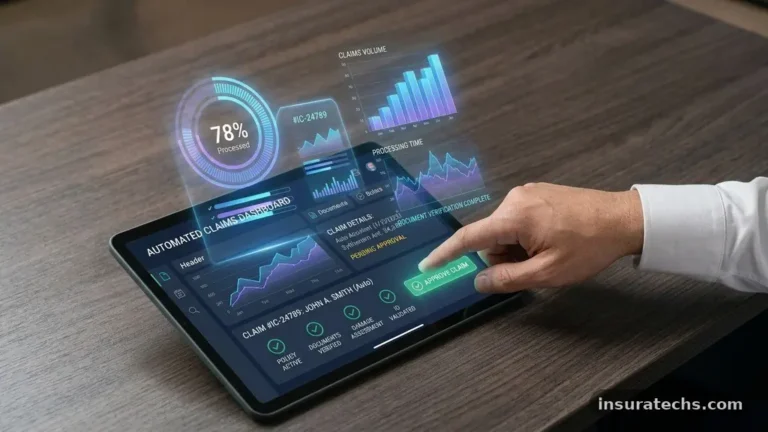
Computer vision, in particular, has become a standard tool for property and casualty insurers. A customer can upload photos of a damaged vehicle or property, and an algorithm can instantly estimate the repair cost based on thousands of similar cases.
This technology minimizes human error and reduces the time spent on administrative tasks. By eliminating manual data entry and repetitive verification steps, claims adjusters can focus on high-touch interactions where empathy and judgment are genuinely needed.
Furthermore, these systems are excellent at spotting anomalies that might indicate fraudulent behavior. If a claim pattern deviates from the norm, the system alerts investigators immediately, saving millions of dollars in potential leakage.
The consistency provided by automated systems is another massive benefit for the industry. Human adjusters may have different biases or levels of experience that lead to inconsistent payouts for similar claims.
Machine learning models apply the same set of rules and logic to every single case, ensuring fairness across the board. This standardization builds trust with customers who want to know that their claims will be handled objectively and efficiently.
Improving Pricing Accuracy and Personalization
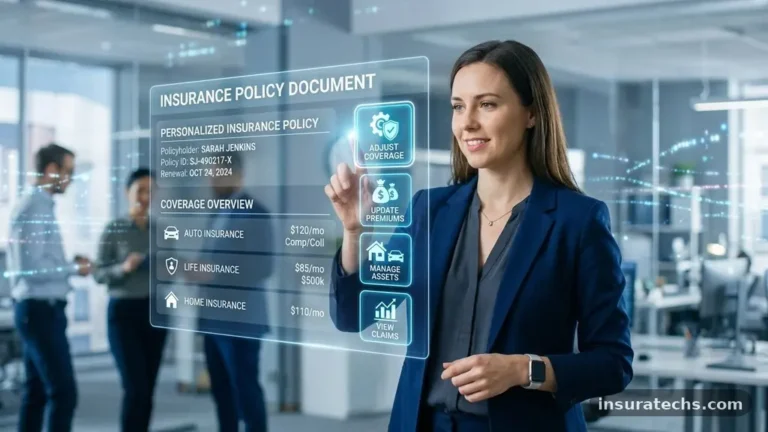
Dynamic pricing is perhaps the most visible way that machine learning influences the daily lives of policyholders. Rather than relying on broad demographic buckets, insurers now use machine learning to calculate premiums based on actual behavior.
Telematics devices in cars, for example, track how often a driver brakes, their average speed, and the time of day they are on the road. This data allows for “usage-based insurance,” where safe drivers pay significantly less than those who engage in risky behaviors.
This level of personalization creates a stronger incentive for customers to mitigate their own risks. When a homeowner installs a smart water sensor that reports back to their insurer, they often receive a discount on their premium.
This creates a mutually beneficial relationship where the insurer experiences fewer claims, and the customer receives lower costs and better home protection. The data collected from these devices feeds back into the models, making them even more accurate over time.
For more information on how technology is reshaping this sector, you can review the OECD insights on digital transformation in insurance. These models allow for sophisticated segmentation that was previously impossible.
By understanding the unique risk profile of every individual, companies can offer specialized products that fit specific lifestyle needs. This move away from “one-size-fits-all” pricing is a major competitive advantage in a crowded market.
Detecting and Preventing Fraud
Fraud costs the global insurance industry billions of dollars every year, driving up premiums for honest policyholders. Machine learning helps insurance companies manage risk by identifying fraudulent networks and suspicious activity before a payout is made.
These systems analyze historical claims data to recognize red flags, such as multiple claims filed for the same incident or inconsistencies in documentation. Because the models learn from new data constantly, they become better at spotting evolving fraud tactics.
Social network analysis is another powerful technique used in this space. Algorithms map out relationships between parties involved in claims to detect organized fraud rings that might otherwise look like isolated incidents.
If a doctor, a lawyer, and a claimant frequently appear together in suspicious claims, the system flags the connection for human review. This proactive stance is essential for maintaining the financial integrity of the insurance pool.
The deterrent effect of these systems is also significant. When criminals know that an insurer uses advanced analytics to monitor for fraud, they are less likely to target that specific company.
By protecting the company’s capital, these systems ensure that funds remain available for legitimate claimants. This ultimately stabilizes the industry and keeps insurance affordable for the average consumer.
Enhancing Customer Retention and Engagement
Risk management is not just about avoiding losses; it is about retaining loyal, low-risk customers. Machine learning models analyze customer churn indicators to predict which individuals are most likely to switch to a competitor.
These models look at interaction history, sentiment analysis from support calls, and changes in behavior to identify at-risk clients. Once identified, companies can reach out with proactive offers or improved service levels to retain the relationship.
Personalized recommendations are also a byproduct of this data-driven approach. If an insurer knows that a client has recently purchased a boat, they can suggest relevant watercraft coverage at the right time.
This consultative approach changes the perception of the insurer from a necessary expense to a trusted partner. By providing value beyond just a policy, companies build long-term loyalty that is harder for competitors to disrupt.
The ability to communicate effectively during a crisis is another vital aspect of retention. During a natural disaster, for example, machine learning can help insurers prioritize claims from the most severely affected areas.
By using geospatial data to map damage, they can proactively contact customers who are likely to be in the path of a storm. This level of care turns a stressful experience into a demonstration of the company’s commitment to its policyholders.
Future Trends in Algorithmic Insurance
The next wave of innovation will involve even deeper integration of Internet of Things (IoT) devices into the insurance ecosystem. As homes and businesses become “smarter,” the amount of real-time data flowing into insurance models will explode.
We will likely see the rise of autonomous insurance, where claims are settled almost instantaneously via smart contracts and automated verification. This will reduce the role of traditional intermediaries and make insurance a background utility in our lives.
Another emerging trend is the use of generative AI to assist in complex underwriting and customer service queries. While traditional machine learning focuses on prediction, generative models can draft personalized policy documents or explain complex coverage terms in simple language.
This will improve transparency and help customers make better-informed decisions about their coverage. The combination of predictive and generative power will lead to a more intelligent, responsive insurance sector.
However, as the industry moves forward, ethical considerations regarding data privacy will remain paramount. Consumers are increasingly aware of how their data is used and will demand transparency from their providers.
Companies that prioritize ethical AI and clear communication will be the ones that win the trust of the next generation of policyholders. The successful insurers of the future will be those who balance technological power with a human-centric approach to risk.
Frequently Asked Questions
How is machine learning used in insurance?
Machine learning is primarily used for automating underwriting, detecting fraudulent claims, predicting customer churn, and personalizing premium pricing based on real-time behavioral data.
How can machine learning be used in risk management?
It enables companies to process vast, complex datasets to identify patterns that predict potential future losses, allowing firms to shift from reactive payouts to proactive risk mitigation and prevention.
How do insurance companies manage risks?
They manage risk by pooling premiums from many policyholders, using actuarial science to calculate the likelihood of claims, and employing machine learning to refine those calculations for individual clients.
What will AI do to the insurance industry?
AI will likely increase operational efficiency, reduce the time required for claims processing, lower premiums for low-risk individuals, and create a more personalized, automated customer experience.
Conclusion
The integration of advanced technology into the insurance industry has fundamentally changed the way companies operate and protect their assets. By understanding how machine learning helps insurance companies manage risk, it becomes clear that we are moving toward a safer, more efficient future. These systems do more than just crunch numbers; they provide the insight necessary to prevent losses before they occur and offer protection that is tailored to each individual.
As these models continue to evolve, the partnership between human judgment and computational power will only grow stronger. Consumers should expect more personalized products and faster service, while insurers will benefit from improved stability and reduced fraud. Embracing these digital tools is the best way forward for any organization looking to thrive in the modern economy.