What Is Telematics Insurance and How Does It Work?
Understanding telematics insurance and how does it work involves looking at the intersection of modern vehicle technology and traditional risk assessment. At its core, this approach uses a device or smartphone app to track your driving habits in real-time, allowing insurers to move beyond basic demographics when setting your rates.
By monitoring factors like speed, braking patterns, and time of day, companies can reward careful motorists with lower premiums. Whether you are a new driver looking to save or a seasoned professional seeking to lower costs, grasping the mechanics behind these policies is essential for navigating today’s auto insurance market effectively.
The Mechanics Behind Usage-Based Policies
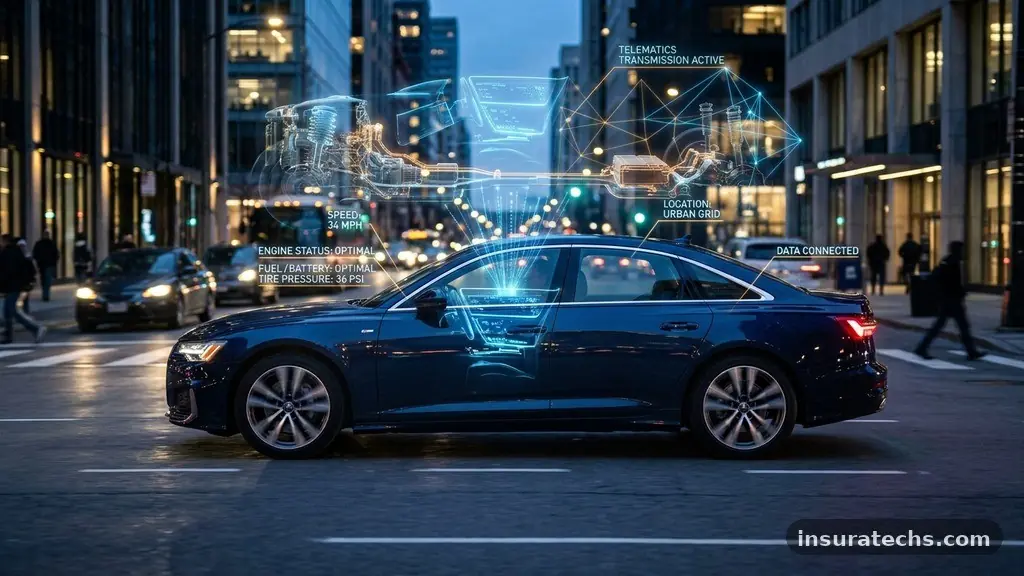
When you sign up for a program involving insurance telematics, you are essentially agreeing to share your vehicle’s performance data with your provider. This data is collected through a small hardware unit—often called a black box—or a mobile application that syncs with your phone’s GPS and accelerometer. The system records specific movements and behaviors that indicate how you operate your vehicle on public roads.
Once the information is gathered, it is transmitted to the insurer’s central servers for analysis. Algorithms process these inputs to generate a score based on your unique driving habits.
If you consistently maintain steady speeds, avoid aggressive cornering, and limit late-night driving, your score will likely reflect a lower risk level. This score directly influences the premiums you pay, shifting the focus from statistical averages to your individual performance behind the wheel.
Key Metrics Tracked by Telematics Systems
Insurance companies look for specific data points to determine how much of a risk a policyholder poses. While different providers may prioritize certain metrics over others, most systems focus on a standard set of variables. These inputs provide a clear picture of whether a driver is prioritizing safety or engaging in high-risk maneuvers.
Commonly Monitored Driving Factors
- Hard Braking: Sudden stops often indicate distracted driving or poor following distances.
- Rapid Acceleration: High-speed bursts suggest aggressive behavior or lack of vehicle control.
- Cornering Speed: Taking turns too quickly increases the likelihood of losing traction.
- Time of Day: Driving during late-night hours is statistically linked to higher accident rates.
- Total Mileage: Simply being on the road more often increases your exposure to potential collisions.
These factors are weighted differently depending on the insurer’s proprietary model. For instance, a provider might place more emphasis on how you brake than on the specific time you choose to drive. By reviewing your National Highway Traffic Safety Administration safety guidelines, you can better align your habits with the behaviors that insurance companies deem favorable.
Hardware Versus Mobile App Tracking
The method of data collection has evolved significantly since the early days of telematics. Initially, most programs required a physical black box to be installed under the dashboard or plugged into the vehicle’s diagnostic port. Today, many insurers prefer the convenience of smartphone apps that use the phone’s built-in sensors to track movement.
Hardware-based systems are generally considered more accurate because they are permanently fixed to the vehicle. They don’t rely on battery levels or whether the driver remembers to keep their phone active while driving. However, mobile apps are far easier to deploy and often provide immediate feedback to the driver through a dashboard interface.
Comparison of Tracking Technologies
| Feature | Plug-in Device | Smartphone App |
|---|---|---|
| Installation | Requires physical setup | Download and link |
| Accuracy | High; vehicle-specific | Moderate; relies on phone |
| Ease of Use | Set and forget | Requires app management |
| Battery Impact | None | Can drain phone battery |
Each method has its own trade-offs regarding convenience and precision. If you are serious about maximizing your score, a hard-wired device might be the superior choice for consistent data logging. If you prefer a non-intrusive setup, an app-based program is usually the standard offering for modern policyholders.
Financial Benefits and Premium Adjustments
The primary appeal of telematics insurance is the potential for significant cost savings. Traditional policies rely on broad categories like age, location, and vehicle type, which can be unfair to safe drivers who happen to fall into a “high-risk” demographic. Telematics bridges this gap by allowing your actual driving performance to do the talking.
Drivers who demonstrate consistent safe driving habits can often secure discounts ranging from 5% to 30% on their annual premiums. These savings are typically applied at the time of renewal after a set assessment period. In some cases, insurers offer an immediate “participation discount” just for signing up and installing the equipment.
It is important to note that some programs are “pay-how-you-drive,” while others are “pay-as-you-drive.” The former focuses on your maneuvers, while the latter focuses primarily on the number of miles you cover. Regardless of the structure, the goal remains the same: reducing the financial burden for those who minimize their exposure to accidents.
Privacy Concerns and Data Security
One of the most frequent questions regarding this technology involves the privacy of the data being collected. Many drivers worry about being “watched” or having their movements tracked by a faceless corporation. Insurers maintain that this data is used exclusively for underwriting and claims processing, rather than for monitoring your personal life.
Most telematics agreements include strict clauses about data privacy and the limitations of how the information can be shared. Your driving data is generally not sold to third-party advertisers, although it could theoretically be subpoenaed in the event of a serious legal case or a major accident. Understanding the fine print of your policy is vital if you have concerns about who can access your records.
Furthermore, the shift toward anonymized data sets helps protect individual identities. Insurers aggregate the information to refine their risk models without needing to identify specific individuals. If you are uncomfortable with the idea of constant monitoring, you should review your insurer’s privacy policy before opting into a telematics program.
The Role of Telematics in Fleet Management
While individual drivers use these programs for personal savings, the technology is also a staple in commercial fleet management. Businesses that operate dozens or hundreds of vehicles rely on telematics to keep their employees safe and their operating costs low. By tracking the vehicle rather than the driver, companies can identify maintenance needs and optimize routes.
Fleet managers use this data to coach employees on better driving habits, which reduces the wear and tear on company assets. This proactive approach leads to fewer mechanical failures and lower fuel consumption across the board. The technology acts as a virtual supervisor, ensuring that company vehicles are being used efficiently and safely throughout the work day.
The data gathered in a commercial setting is often more granular than what a typical consumer sees. Managers might track engine idle time, seatbelt usage, and even specific engine fault codes. This level of oversight helps businesses stay competitive by minimizing downtime and avoiding the high costs associated with preventable vehicle damage.
Addressing Common Misconceptions
Many potential users believe that telematics is designed to “catch” them doing something wrong. In reality, the systems are designed to validate that you are driving safely most of the time. You do not need to be a perfect driver 100% of the time to benefit from these programs.
Another myth is that your rates will automatically increase if you hit the brakes a little too hard once or twice. Most insurers look at a comprehensive history rather than a single event. A few “harsh” events will not ruin your score if your overall driving behavior remains consistent and safe over the long term.
Frequently Asked Questions
What are the main downsides of using a telematics device?
The primary downside is the potential for your premiums to increase if your driving is consistently flagged as high-risk. Some drivers also feel a sense of discomfort regarding the constant monitoring of their location and movement patterns.
Is it mandatory to have telematics insurance?
In most regions, telematics is strictly voluntary. You can choose to opt into these programs to potentially lower your rates, but you are rarely required to participate unless it is a condition of a specific high-risk insurance policy.
Can I disable the tracking device or app?
You can uninstall an app or remove a plug-in device, but doing so usually voids your eligibility for the associated discounts. Some policies may even require the device to be active at all times to maintain your coverage status.
How much does the insurance company know about my location?
Telematics systems generally record your GPS coordinates to determine your speed and the type of roads you are driving on. This location data is used to calculate risk, such as identifying high-traffic or dangerous intersections, rather than tracking your personal whereabouts for non-insurance purposes.
Does a telematics device drain my car battery?
Plug-in devices draw a small amount of power from the car’s diagnostic port. While modern devices are designed to be energy-efficient, they can theoretically drain a battery if the vehicle is left sitting for an extended period without being driven.
Final Thoughts on Telematics Adoption
Deciding whether to use telematics insurance and how does it work for your specific needs is a personal choice that balances privacy against potential cost savings. For many, the ability to take control of their insurance rates by demonstrating responsible behavior is a major advantage. If you are a conscientious driver who wants to avoid the flat-rate pricing models that penalize you for the actions of others, these programs offer a transparent alternative.
Before committing, take the time to compare the specific requirements and potential savings offered by your insurance provider. Read through the disclosure documents to ensure you are comfortable with the data collection process.
By making an informed decision, you can leverage modern technology to keep your premiums manageable while gaining a deeper understanding of your own performance on the road. Reach out to your insurance agent today to see if a telematics program is the right fit for your vehicle and your budget.