How Mobile Apps Are Transforming Insurance Services
When we look at how mobile apps are transforming insurance services, we see a fundamental shift from paper-heavy, slow processes to instant, digital-first interactions. Policyholders no longer need to wait weeks for claim updates or spend hours on hold with customer support agents.
These tools put the entire lifecycle of a policy into the palm of the user’s hand, creating a faster and more transparent environment for everyone involved. By understanding the core technologies driving this change, you can better leverage your own digital policy management to save both time and money.
Instant Access to Policy Documentation

In the past, losing your physical insurance card or misplacing a policy document meant a frantic call to an agent. Today, insurance apps provide immediate, 24/7 access to all essential files directly from a smartphone. This instant availability reduces the administrative burden on both the customer and the carrier.
When you need proof of insurance for a rental car, a landlord, or a traffic stop, it is there in seconds. Most apps allow users to download a PDF version or add a digital card to a mobile wallet. This eliminates the anxiety of searching through glove boxes or file cabinets during high-stress situations.
Beyond simple cards, these platforms offer comprehensive views of coverage details. You can see your deductibles, premium due dates, and specific policy exclusions without navigating a complex website. This level of transparency builds trust between the insurer and the policyholder.
Accelerating the Claims Process
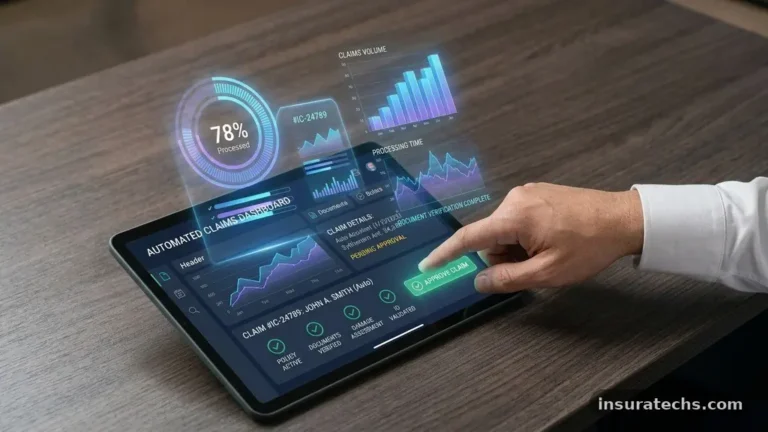
The most significant way mobile apps are transforming insurance services is through the digitization of claims. Instead of mailing paper forms or waiting for an adjuster to arrive, users can now file a claim from the scene of an incident. This speed is critical for reducing the emotional and financial strain of an accident.
Users can capture photos of vehicle damage, upload police reports, and even record video statements within the app. Some advanced platforms use artificial intelligence to scan images and provide an initial repair estimate within minutes. This automation reduces the manual workload for claims adjusters and speeds up payouts significantly.
The reduction in paperwork and processing time is not just a convenience; it is a massive cost-saver for carriers. By cutting the cycle time of a claim, companies can lower their operational overhead. These savings, in turn, can sometimes lead to more competitive pricing for the consumer.
Personalization Through Telematics
Modern insurance apps often integrate with telematics, which is the practice of tracking driving behavior through smartphone sensors. This data allows carriers to offer usage-based insurance, where premiums are adjusted based on individual risk rather than broad demographic averages. If you are a safe driver, you can see significant discounts on your monthly bills.
These apps provide real-time feedback on driving habits like sudden braking, rapid acceleration, and cornering speeds. By gamifying safety, apps encourage users to drive more carefully. It turns the insurance relationship from a passive yearly payment into an active, positive engagement.
Privacy remains a central concern, but users are increasingly willing to share data in exchange for lower rates. According to data provided by the National Association of Insurance Commissioners, the adoption of telematics continues to grow as consumers seek more personalized financial products. This trend is likely to expand into home insurance through smart home device connectivity.
Improving Customer Communication
Communication has shifted from static letters to dynamic, push-notification-based updates. If a payment is due or a storm warning is issued for your area, the app provides a timely alert. This proactive approach keeps policyholders informed and reduces the likelihood of missed premiums or unexpected coverage gaps.
Chatbots and virtual assistants built into these mobile apps provide instant answers to routine questions. Whether you are asking about a specific deductible or needing to add a new driver to your policy, you get a response instantly. This eliminates the frustration of long wait times that previously defined the industry.
This constant connectivity allows for a more “always-on” service model. Customers feel more in control when they can manage their account status at 10 PM on a Sunday. The shift toward self-service options empowers the customer while freeing up human agents for more complex, high-value consultations.
Comparison of Traditional vs. Digital Insurance Services
The transition to mobile-first platforms has changed the landscape of how services are delivered. The table below highlights the key differences between the traditional, legacy model and the modern mobile-integrated approach that is currently dominating the market.
| Feature | Traditional Insurance | Digital Mobile App |
|---|---|---|
| Claim Filing | Paper forms, phone calls | In-app photo upload, instant |
| Account Access | Mail or physical office | 24/7 real-time access |
| Premium Adjustments | Fixed yearly rates | Dynamic, usage-based pricing |
| Support | Human agent, business hours | AI chatbot, 24/7 availability |
Managing Security and Privacy
As we rely more on mobile apps for sensitive financial tasks, security becomes paramount. Carriers are investing heavily in biometric authentication, such as facial recognition and fingerprint scanning, to protect user accounts. These layers of security ensure that even if a device is lost, the policyholder’s data remains protected.
Encryption is standard practice for data transmission between the app and the carrier’s servers. This prevents unauthorized interception of personal information during the claims or payment process. Users should always ensure they are using the official application provided by their insurer rather than third-party aggregators.
Trust is the foundation of the insurance industry, and mobile security is the new gatekeeper. When a company demonstrates a commitment to robust cybersecurity, it strengthens the customer relationship. Policyholders are far more likely to engage with an app that makes them feel secure and valued.
Future Trends in Insurance Technology
The next evolution of insurance apps will likely involve deeper integration with Internet of Things devices. Imagine a home insurance app that automatically alerts you to a water leak before it causes major damage. These sensors could communicate directly with the app, prompting a service call automatically.
Artificial intelligence will continue to play a larger role in predictive analytics. Instead of reacting to a claim, insurers will use data to help customers prevent losses entirely. This proactive stance is the ultimate goal of how mobile apps are transforming insurance services.
The following list outlines the key areas where we expect to see the most innovation in the coming years:
- Hyper-personalized pricing models based on real-time lifestyle data.
- Integration with wearable health tech for life and disability insurance.
- Instant, automated claim payouts for simple, low-complexity incidents.
- Blockchain-based verification for faster, more transparent policy management.
- Augmented reality tools for easier property damage assessment at home.
Frequently Asked Questions
What are the primary benefits of using an insurance mobile app?
The primary benefits include 24/7 access to policy documents, the ability to file claims instantly from the scene of an accident, and the convenience of managing payments and coverage updates without speaking to a representative. Many apps also offer telematics programs that reward safe driving with lower premiums.
Are mobile insurance apps secure for my personal data?
Yes, reputable insurance carriers use high-level encryption and multi-factor authentication, such as fingerprint or facial recognition, to secure your account. It is important to download only the official application from the App Store or Google Play and to keep your device’s operating system updated.
How does AI change the way claims are handled?
AI speeds up the claims process by analyzing photos or data submitted through the app to estimate repair costs immediately. This automation removes the need for manual review for minor claims, allowing for faster payouts and reducing the administrative burden on the insurer.
Can I really get cheaper insurance through a mobile app?
Many insurers offer discounts for participating in usage-based insurance programs found within their apps. By tracking your driving habits or lifestyle data, the app can demonstrate that you are a lower-risk policyholder, which often leads to significant premium reductions.
What should I do if my insurance app is not working?
First, check your internet connection and ensure your app is updated to the latest version. If the issue persists, visit the carrier’s official website to see if there is a known service outage or contact their technical support team through their verified customer service channels.
Closing Perspectives
The rapid digitization of the insurance sector has fundamentally changed the power dynamic between companies and their customers. Through the development of intuitive mobile platforms, carriers have successfully turned a once-dreaded administrative task into a manageable, transparent digital experience. As these tools continue to evolve, we will see even more focus on prevention, personalization, and instant service delivery.
If you are not yet taking advantage of your insurer’s digital features, now is the time to explore them. Download the official app, set up your profile, and familiarize yourself with the tools available for filing claims or reviewing your coverage.
Embracing how mobile apps are transforming insurance services will not only save you time but will also ensure you are getting the most value out of your policies. Stay informed, stay secure, and enjoy the convenience of modern policy management.